By Evan Epstein, Co-President of the Chile California Council; Professor and Executive Director, UC Law San Francisco
Silicon Valley is currently experiencing a true artificial intelligence boom. In every conversation with entrepreneurs, investors or academics, AI emerges as the central topic—from how to build the next foundational model to how to regulate its responsible use. The entire ecosystem is organizing around this technology, with massive investments now measured not in millions or billions of dollars, but in trillions. Talent is flowing into the best labs, supported by computing infrastructure at a scale that few places in the world can match.
But this story should not be limited to California, the world’s fourth-largest economy, a global engine of technological innovation and one of the main sources of AI talent. Chile has a strategic opportunity to join this movement—not as a spectator, but as an active and relevant player in building a more inclusive and sovereign digital future. Artificial intelligence goes far beyond startups; it has the potential to transform key sectors of our economy.
In 2025, California took concrete steps toward regulating artificial intelligence. Governor Gavin Newsom signed SB 53, requiring developers of advanced models to disclose safety measures and report risks. In addition, as of October, new rules mandate bias audits for automated systems used in the workplace, and the state judiciary adopted policies to limit the use of generative AI in courts, prioritizing transparency and human oversight.
In Chile, CENIA leads research efforts and international collaboration on artificial intelligence. The Third Latin American AI Index highlighted the country for its governance and talent, but also exposed a gap: investment in R&D remains low as a share of GDP, limiting Chile’s ability to consolidate that leadership.
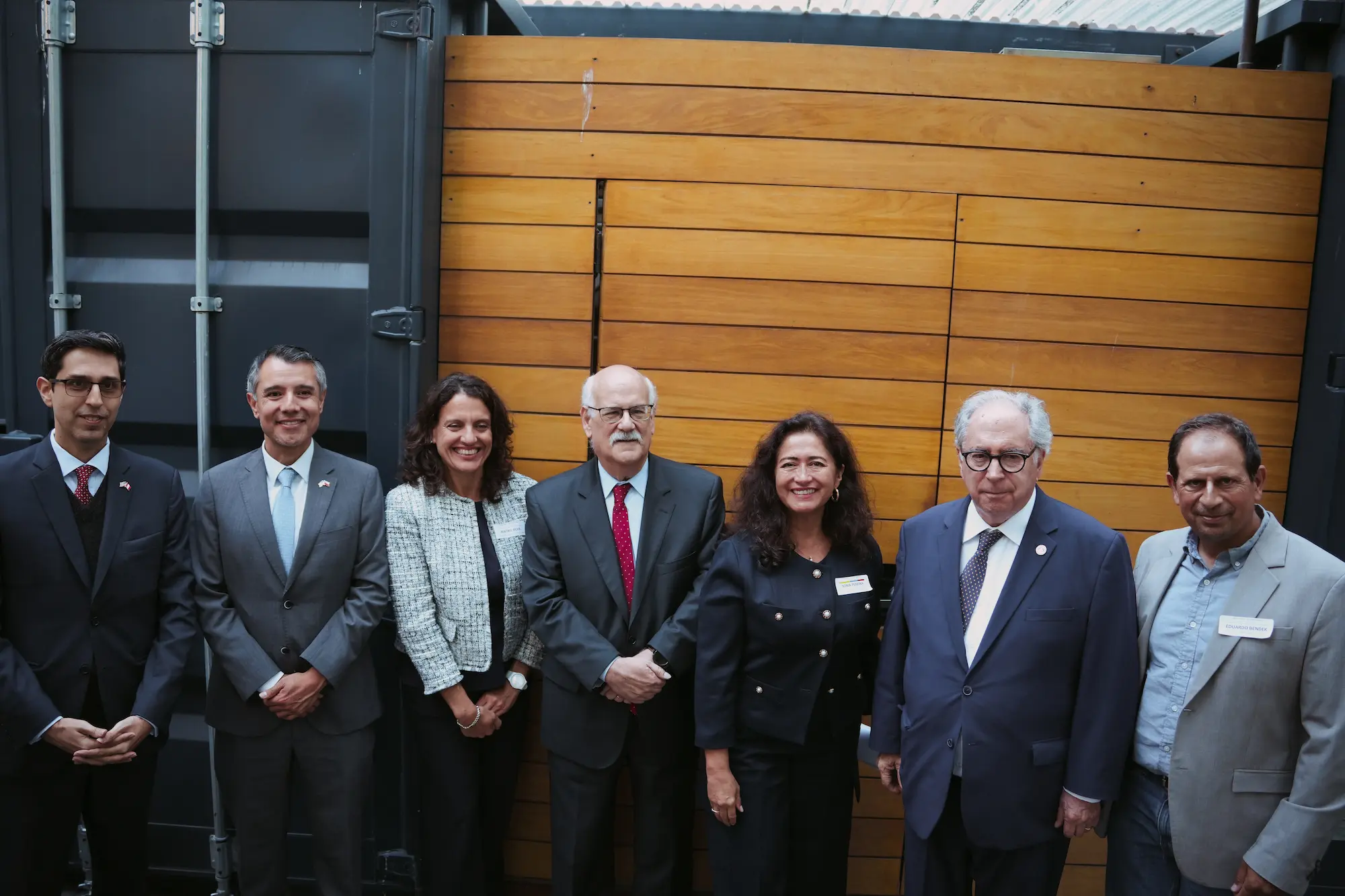
For this reason, today, October 9th, during San Francisco Tech Week, we are hosting an event on artificial intelligence together with the Chile Tech Tour led by ProChile, reaffirming Chile’s commitment to join the global technology conversation and to build an ecosystem where AI is a central pillar of development.
Of course, the path is not free of challenges. AI brings ethical dilemmas, risks of bias, privacy concerns and fears about job displacement. But these risks are not an excuse for inaction; they are an invitation to design public policies, regulatory frameworks and governance mechanisms that place people at the center.
Ultimately, AI is much more than a technological issue—it is a nation-building project. If Chile wants to play a meaningful role in the economy of the future, it must invest in talent, infrastructure and strategic alliances. And it must do so now. The bridge between Silicon Valley and Chile already exists; what we need is to cross it with determination, vision and collaboration.